

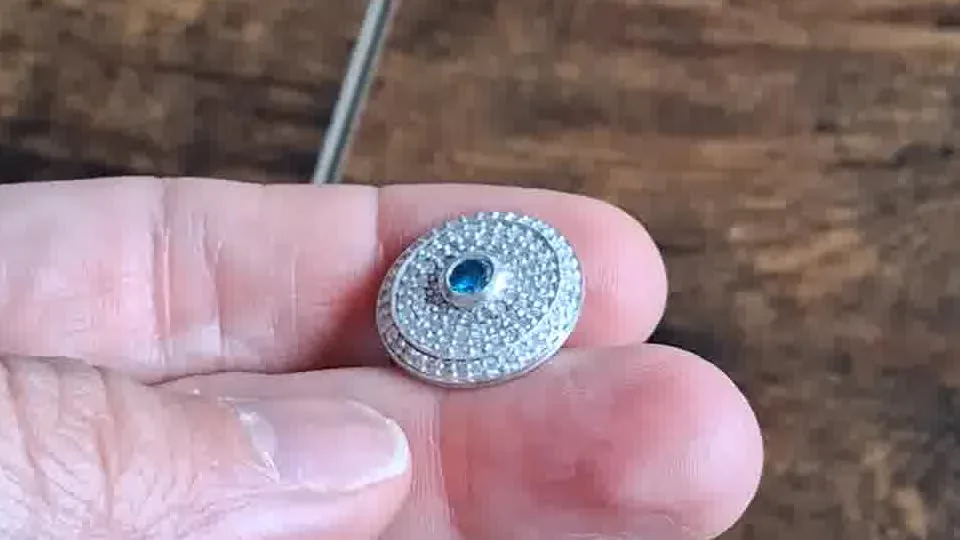
Every time I sit down to model a new piece, I hit the same fork in the road. Do I build every claw and every stone hole in CAD, right down to the last curve, or do I leave that work to the stone setter’s hands once the piece is cast?
It sounds like a small decision. It isn’t. It changes how the piece looks under magnification, how long it takes to finish, and ultimately what the customer pays.
I picked up a piece I’d cast from a CAD model where I had set everything, claws, stone holes, the lot, almost entirely in CAD before casting. I put it under my microscope to have an honest look.
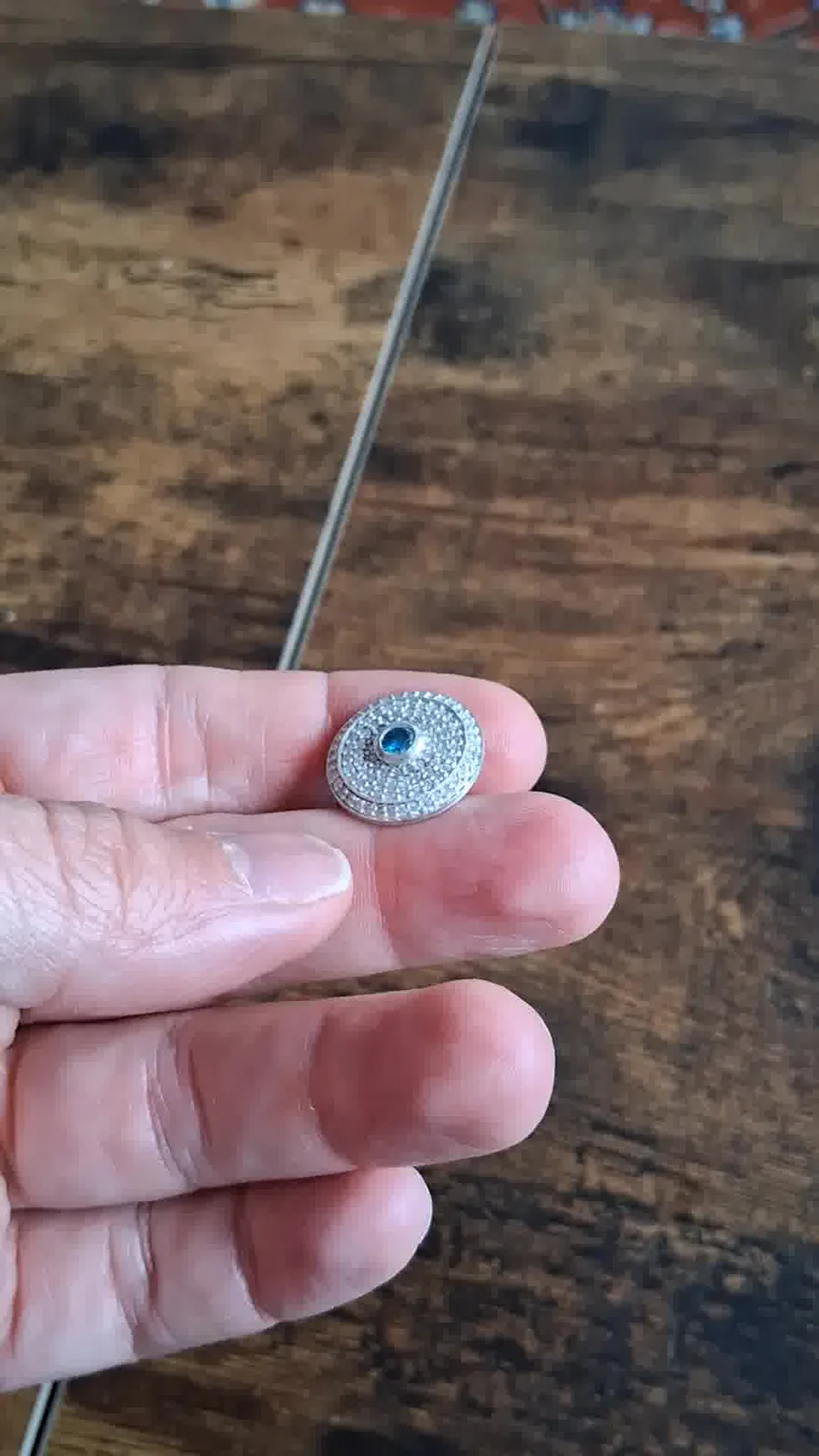
It didn’t look that clean. Not disastrous, but not the crisp, polished finish you want under magnification either. That’s not a failure of CAD. It’s what happens when you skip the finishing steps that used to be automatic. If I’d done proper pre-polishing before setting, and then a proper bright cut once the stone was in, the same claws would look completely different. CAD gets you close. The polish and the cut are what take it the rest of the way.
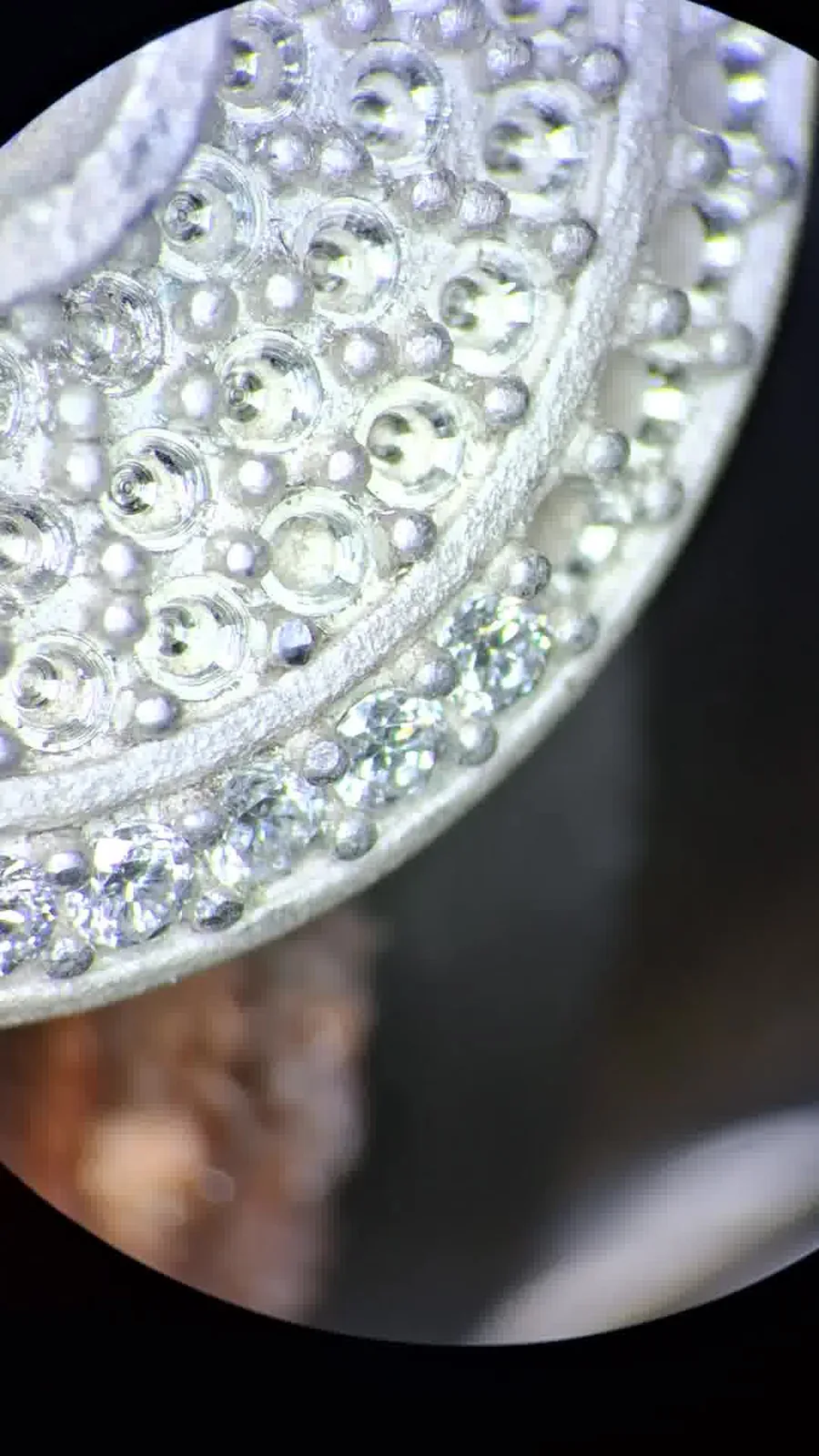
That’s one camp. There’s another approach I see across the industry, and it’s worth understanding because it produces a different result for a different price. Some workshops only model the location points, the holes where the stones will sit, in CAD. Everything else, every claw, every delicate curl of metal holding the stone in place, is cut by hand by the stone setter after casting.
Look at that kind of work under a microscope and it is genuinely impressive. The claws are cleaner, sharper, more considered than anything a CAD model tends to produce on its own. People in the trade notice it. It looks beautiful.
It also takes a lot longer, because hand-cutting every claw on every piece is slow, skilled work, and it costs more, because that time has to be paid for somewhere. That somewhere is the price tag. The consumer is the one who ends up covering the difference between a piece where the setter finished the claws by hand and one where CAD did most of the work.
Which brings me to the question I actually care about, the one I don’t have a tidy answer for. Does that extra time genuinely add value to the person wearing the ring, or is it mostly satisfying to us? As a jewellery designer or a jeweller, work that looks flawless under magnification feels good to make. It’s the kind of detail that gets noticed by other people in the trade, the kind that photographs beautifully close up.
But as a business, I have to ask a harder question. Does the consumer actually care about a level of detail that only shows up under magnification most people will never own? Most people wear a ring, they don’t inspect it up close. If the difference between fully-CAD claws and hand-finished ones is invisible at arm’s length, are we charging for perfection nobody outside the workshop can see?
I don’t have a clean answer, and I’m genuinely asking rather than making a point. It probably depends on the piece, the price point, and the customer. A statement engagement ring the client will study up close is a different case from a piece bought to be worn and enjoyed rather than examined.
What to try at your own bench:
First, put one of your own cast pieces under your own microscope before you decide anything. Don’t guess what a fully-CAD claw looks like unpolished, go and look.
Second, cost it properly. Work out what the setter’s hand-finishing time actually costs against the CAD and pre-polishing route, and be honest about where that cost ends up.
Third, ask a customer, not another jeweller. Show them both finishes and see whether they can tell the difference, or whether they even want to.
I don’t think there’s a wrong answer here. I think there’s an honest one, and it’s different for every workshop. What do you think, does the extra time belong in the price, or in the workshop’s pride?
Free PDF: The Jeweller’s CAD Numbers, the 31 tolerances from the book on one checklist.
If you would rather work through claws on your own file, Jewellery CAD, taught one-to-one is one-to-one, in the studio or online.